
3 Ways Whole Life Carbon Assessments Reduce Project Risk
When people think about project risk, carbon is rarely the first thing that comes to mind.
Programme delays. Cost pressures. Planning challenges. Design changes. Stakeholder expectations.
These are the risks most project teams actively manage.
Yet increasingly, carbon sits at the centre of all of them.
As planning authorities, investors, funders and occupiers place greater emphasis on sustainability performance, organisations are finding that carbon is no longer just an environmental consideration. It's a business consideration.
At Mainer, we've seen this first-hand across projects ranging from higher education estates and residential developments through to major regeneration schemes.
What links these projects isn't simply a desire to reduce emissions.
It's a need to make better decisions, manage uncertainty and create a stronger evidence base for the future.
That's where Whole Life Carbon Assessments (WLCA) can play a critical role.
Carbon Is Becoming a Project Risk Issue
Historically, carbon assessments were often viewed as a sustainability exercise, undertaken to satisfy reporting requirements or demonstrate environmental credentials.
Today, the picture is very different.
Carbon performance is increasingly influencing:
Planning decisions
Funding and investment opportunities
ESG reporting requirements
Procurement expectations
Organisational reputation
Long-term asset strategies
As a result, project teams need more than aspirations and targets.
They need evidence.
Whole Life Carbon Assessments provide that evidence by helping organisations understand the carbon impacts of a project from material extraction through to end-of-life disposal.
More importantly, they provide insight that can reduce risk throughout the project life cycle.
Here are three ways they do it.
1. Supporting Developer Decisions with Evidence
Developer and Investor expectations around sustainability continue to evolve.
For developers and asset owners, demonstrating how carbon has been considered throughout the design process is becoming increasingly important not only for securing approvals but for building confidence among stakeholders and decision-makers.
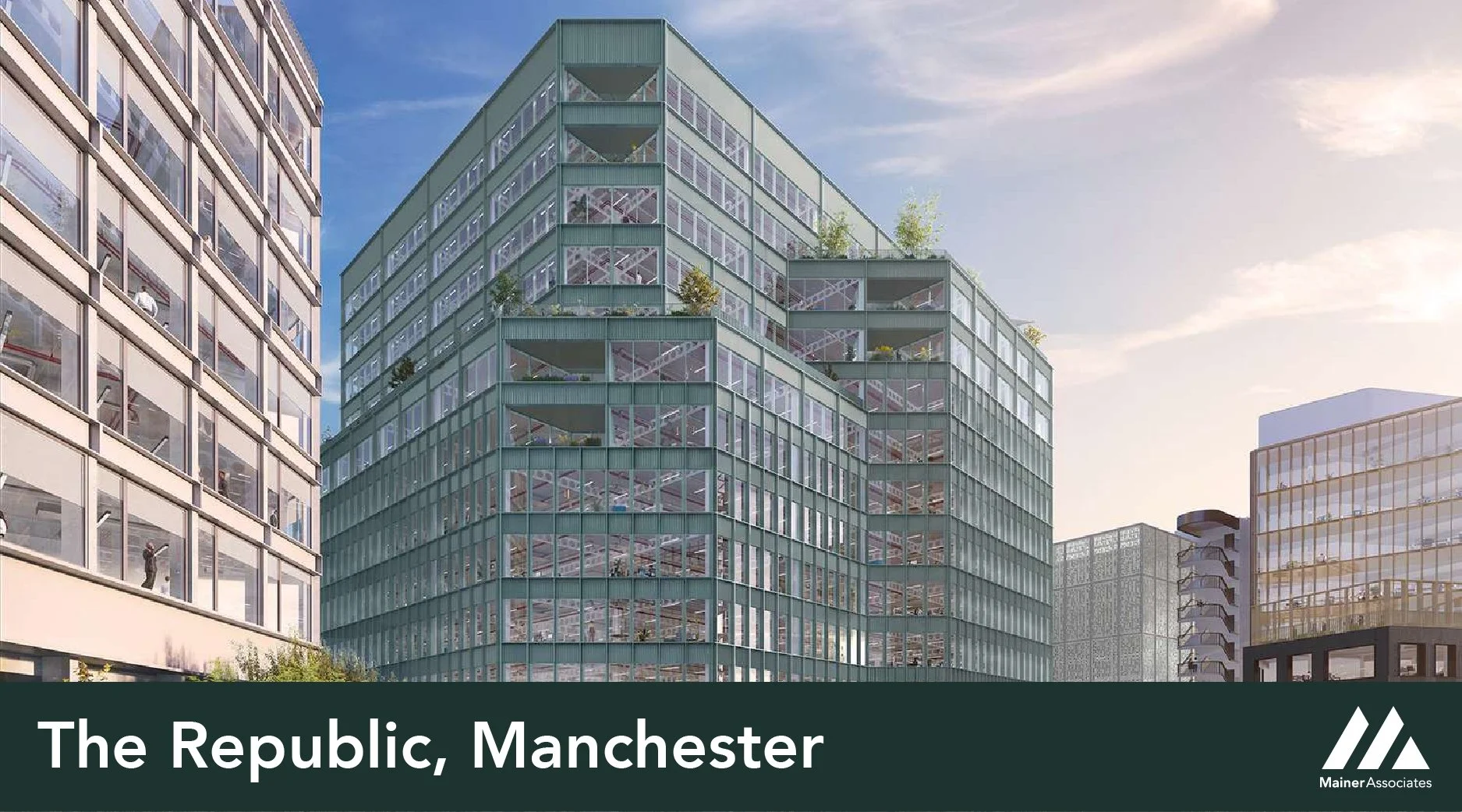
This was particularly relevant on The Republic, Mayfield, a landmark commercial development within Manchester's transformational Mayfield regeneration district.
Projects of this scale inevitably involve complex decisions around materials, construction approaches and long-term performance. Carbon considerations are no longer isolated technical discussions; they are increasingly part of wider conversations around placemaking, sustainability and future resilience.
A Whole Life Carbon Assessment provides a structured evidence base that helps project teams demonstrate:
How carbon has been assessed across the life cycle
Which options have been considered
Where the most significant emissions occur
What measures have been taken to reduce impacts
How sustainability objectives have informed design decisions
WLCAs can provide a more robust and defensible position when projects come under scrutiny from investors, planners, stakeholders and local communities.
As carbon considerations become increasingly embedded within development frameworks, having evidence to support decisions is becoming a significant advantage.
2. Enabling Better Design Decisions Before It's Too Late
Many of the most significant project risks originate during the design phase.
By the time construction begins, opportunities to influence carbon performance may already have been missed.
The challenge is that many design decisions are often made based on assumptions.
For example:
New build can be perceived as more sustainable than retrofit.
Lower capital cost automatically means better value.
Operational energy is the most important carbon metric.
Material substitutions will always reduce emissions.
Sometimes these assumptions are correct.
Often they are not.
A Whole Life Carbon Assessment allows project teams to compare options using evidence rather than instinct.
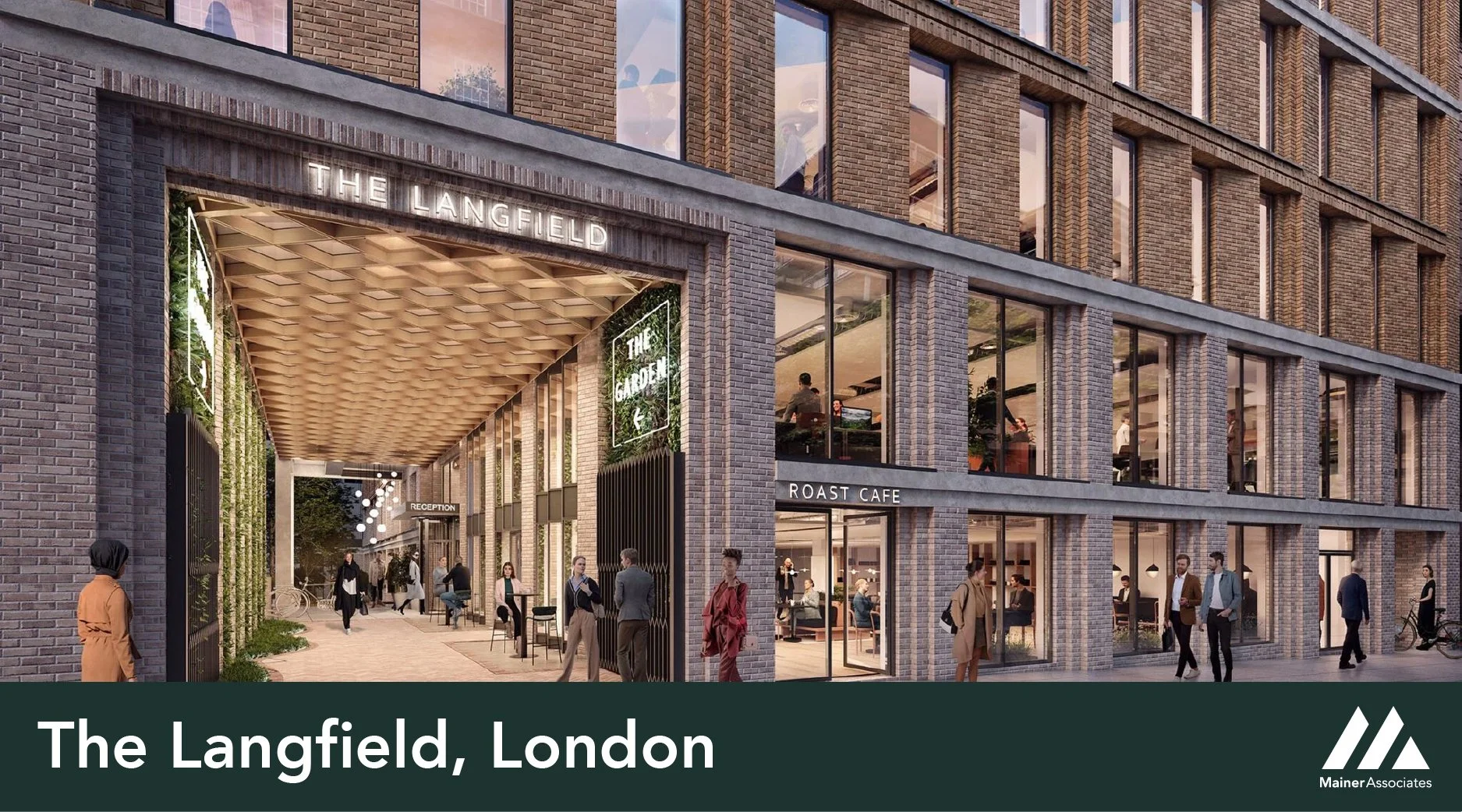
A strong example of this approach can be seen at The Langfield, where sustainability considerations formed part of a broader commitment to creating long-term value through building performance and life cycle thinking.
Assessments such as these help project teams evaluate the carbon implications of:
Material selection
Structural systems
Building retention strategies
Maintenance requirements
Replacement cycles
Long-term operational performance
Rather than asking, "Which option costs less today?", project teams can begin asking a more valuable question:
"Which option delivers the best outcome over the life of the asset?"
This shift in thinking is where Whole Life Carbon Assessments deliver their greatest value.
They help identify carbon hotspots early, highlight opportunities for improvement and reduce the risk of making decisions that may become difficult or costly to justify later.
Because the earlier carbon is considered, the greater the opportunity to influence outcomes.
3. Strengthening ESG and Net Zero Reporting
One of the biggest challenges organisations face when developing ESG and net zero strategies is obtaining reliable, project-level carbon data.
Stakeholders increasingly expect evidence rather than aspiration.
Investors, funders, boards and clients want to understand:
Where emissions occur
How they are being measured
What action is being taken
Whether progress can be demonstrated
This is where Whole Life Carbon Assessments can make a significant difference.
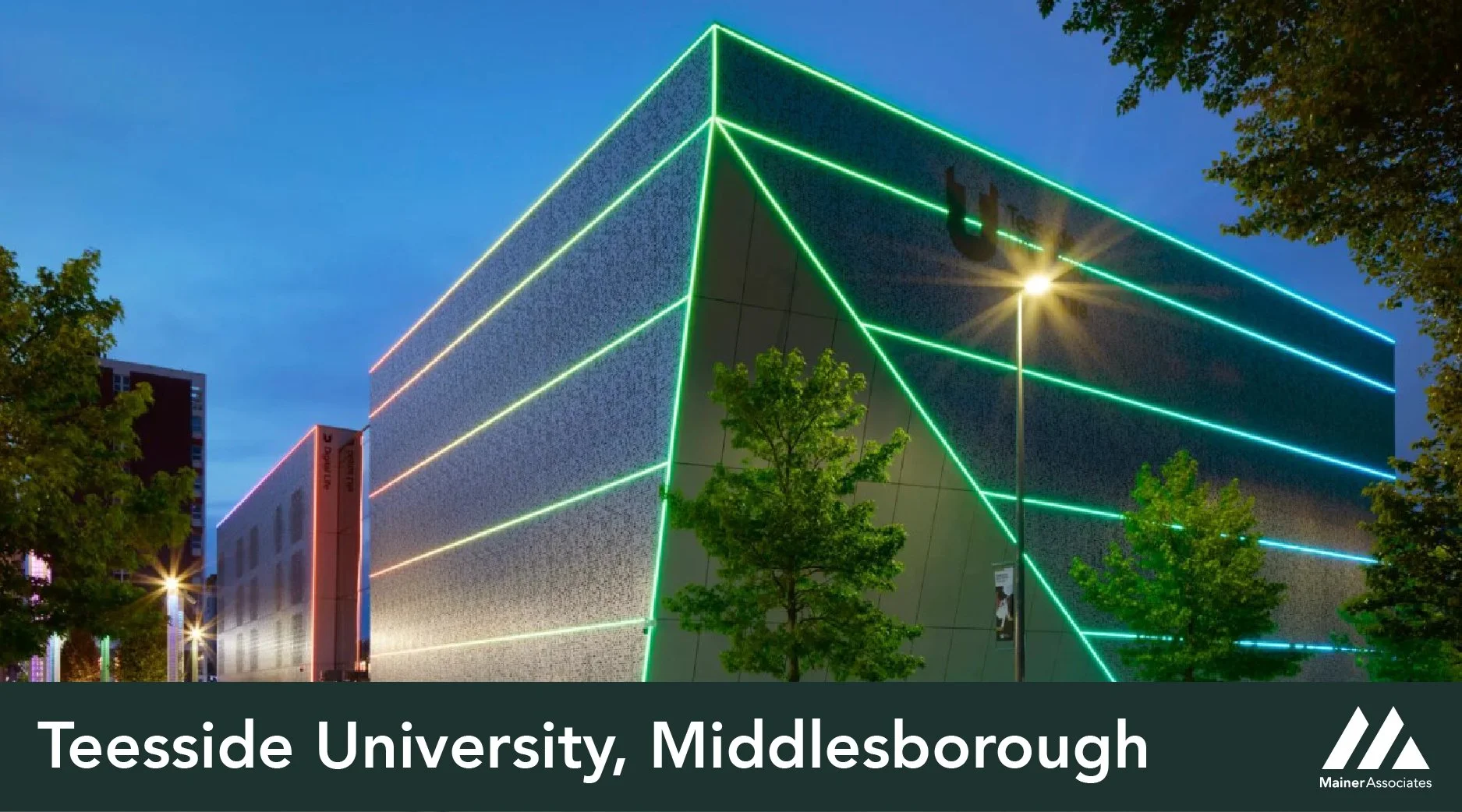
At Teesside University, sustainability formed part of a wider vision to create future-focused learning environments that support both institutional objectives and long-term environmental performance.
Projects of this nature demonstrate how life cycle thinking can support strategic decision-making beyond the boundaries of an individual building project.
For organisations managing large estates, development portfolios or asset investment programmes, Whole Life Carbon Assessments provide:
Quantifiable carbon data
Greater visibility of life cycle impacts
Evidence for ESG reporting
Improved understanding of Scope 3 emissions
Stronger support for net zero strategies
Better alignment between sustainability objectives and investment decisions
This creates more robust reporting and greater confidence among stakeholders.
More importantly, it helps organisations move beyond reporting what has happened and towards influencing what happens next.
Why Early Carbon Assessment Matters
The value of a Whole Life Carbon Assessment is greatest when it is introduced early.
By the time a project is fully designed, many of the most important carbon decisions have already been made.
At that stage, an assessment may still support reporting requirements, but its ability to influence outcomes is reduced.
Early-stage carbon assessment allows project teams to:
Compare alternative approaches
Challenge assumptions
Understand carbon hotspots
Align carbon and commercial objectives
Improve design decisions
Build a stronger evidence base for stakeholders
This transforms carbon assessment from a reporting exercise into a decision-making tool.
And that's where risk reduction begins.
Carbon Data Creates Confidence
Across projects such as The Republic, The Langfield and Teesside University, one principle remains consistent:
The earlier carbon is considered at each Stage in a project, the more value it delivers.
Whole Life Carbon Assessments don't simply measure emissions.
They provide the evidence needed to support planning, improve design decisions and strengthen ESG reporting.
As carbon performance becomes increasingly linked to planning outcomes, investment decisions and organisational reputation, the ability to quantify life cycle impacts is rapidly becoming a business necessity rather than a sustainability nice-to-have.
The organisations making the greatest progress are not necessarily those with the most ambitious targets.
They are the organisations using data to make better decisions.
How Mainer can help
At Mainer, we help developers, housing providers, contractors, local authorities and asset owners use Whole Life Carbon Assessments to support better project outcomes.
Our work helps clients:
Strengthen planning submissions
Compare design and procurement options
Identify carbon hotspots
Support ESG and net zero reporting
Reduce uncertainty across the project life cycle
Whole Life Carbon Assessments are not just about understanding emissions.
They are about reducing risk, improving decisions and creating a stronger evidence base for the future.
Because when carbon is measured properly, it becomes more than a reporting requirement.
It becomes a tool for better project delivery.
Please click below for more information on Mainer’s Services:

LCA

EIA

BREEAM

Building Physics

Fitwel

Scope 3 Emissions

Planning Statements

ESG