
Manchester Museum










Mainer Associates was appointed by Purcell, and worked with the University of Manchester and Manchester Museum, to deliver a BREEAM assessment, achieving a BREEAM ‘Very Good’ rating.
Following this, the post-contract team progressed through the Post-Construction Assessment, aiming to secure a second ‘Very Good’ certification - demonstrating the building’s as-built sustainability performance in line with BREEAM criteria.
Mainer Associates supported the project in meeting its environmental goals and contributed to enhancing the long-term sustainability of this important cultural institution.
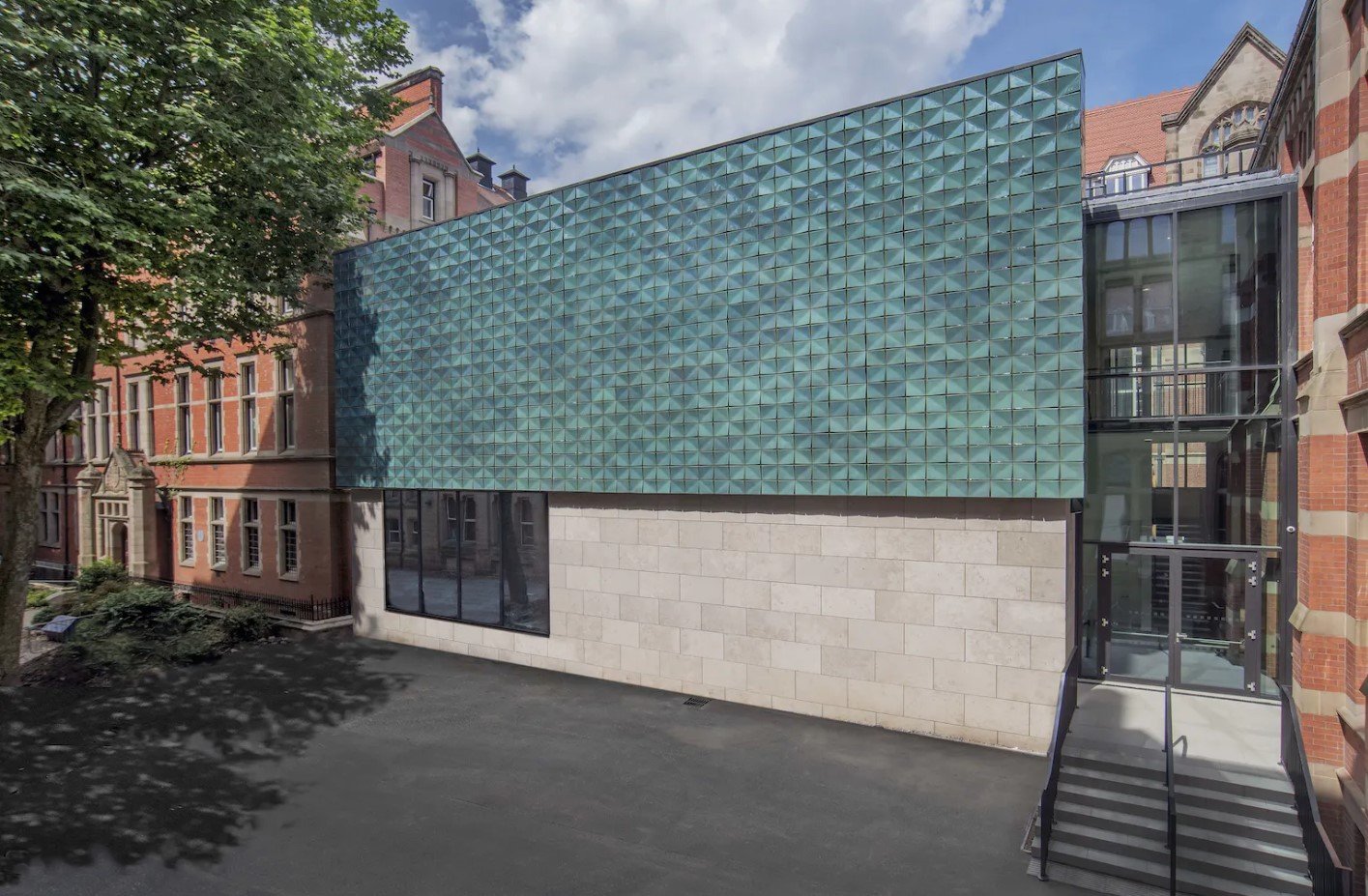
Image Source: Purcell
Highlights
Client
Purcell / University of Manchester
Location
Manchester, North West
Value
£15 million
Specification
Education, Public Realm, Historical
Services
BREEAM
Case Study: Manchester Museum
Client: University of Manchester
Location: Greater Manchester
Services: BREEAM
Certifications Achieved: BREEAM ‘Very Good’
Overview
The University of Manchester’s ambitious refurbishment and extension of Manchester Museum combined heritage conservation with forward-thinking sustainability. Mainer Associates was appointed as the sustainability consultant to lead on BREEAM assessment and guidance throughout the project lifecycle.
The scheme successfully achieved a BREEAM Very Good rating at the Design Stage, with the Post-Construction Assessment underway - targeting the same rating to confirm the building's as-built environmental performance.
Our Role
Mainer Associates worked closely with the project team, including Kier as principal contractor, to ensure the project aligned with BREEAM requirements from the outset. This involved supporting sustainable procurement, setting environmental performance benchmarks, and advising on best practices throughout both the refurbishment and new-build elements of the museum.
As part of our sustainability oversight, we ensured compliance with BREEAM’s nine key assessment categories:
Project management & commissioning
Health and wellbeing
Energy
Transport & accessibility
Water monitoring & consumption
Materials & responsible sourcing
Waste management
Land use & ecology
Pollution prevention
Sustainable Design & Materials
The project’s design approach sensitively integrated new extensions with the museum’s historic architecture. Original features were retained, while new façade elements - including terracotta tile rainscreen cladding - were introduced. The use of terracotta provided not only aesthetic cohesion but also climatic resilience and long-term durability, protecting the building against weathering and material degradation without risk of discoloration.
Construction Phase Sustainability Achievements
Kier Construction implemented high sustainability standards during delivery, supported by Mainer Associates’ advisory role:
100% of timber used was responsibly sourced.
83.94% of non-hazardous construction waste and 100% of non-hazardous excavation waste were diverted from landfill.
A or A+ rated insulation materials were used throughout, ensuring low Global Warming Potential.
The project achieved a 20.7% improvement over the notional building emissions rate.
A Sustainable Procurement Plan guided responsible sourcing and ethical supply chain practices.
Site works followed Pollution Prevention Principles for land, air, and water.
The site received an Exemplary score under the Considerate Constructors Scheme.
A Post Occupancy Evaluation commitment ensures continued performance monitoring and improvement.
Outcome
Through close collaboration and a shared sustainability vision, the University of Manchester and its project partners delivered a modern, climate-conscious extension to one of the city’s most historic institutions. Mainer Associates’ leadership on BREEAM, material strategies, and environmental management ensured the project not only met its certification goals but set a strong example of sustainable heritage development.